The most expensive leak in your marketing funnel is not your ad copy, your email sequences, or your landing page design. It is what happens in the final five seconds of the buyer’s journey. When a potential customer is holding their credit card, their brain is hyper-alert. If they sense friction, they bounce. If your system lets a fraudulent transaction slip through, you lose your product and pay a penalty. Addressing payment security concerns now is not merely an IT checklist or a backend developer’s problem. It is a fundamental driver of your marketing profitability.
Every dollar you spend on ads is wasted if the checkout experience fails. Marketers obsess over top-of-funnel metrics, but the real battle for profitability is won at the bottom of the funnel. You cannot afford to treat these vulnerabilities as an afterthought. Plus, you cannot afford to let bloated measures ruin the user experience.
In this guide, we will break down the link between risk, friction and revenue. We will show you exactly how to solve payment security concerns to grow your pipeline.
The Economics of Trust: Why Payment Security Concerns Are a Marketing Problem
Let us look at the math behind a bad checkout setup. A winning marketing campaign relies on two main metrics: Customer Acquisition Cost (CAC) and Customer Lifetime Value (LTV).
If you ignore your payment security concerns, both numbers crash.
Say you spend $40 on ads to get a $100 sale. That looks great on paper. But what if a bot uses a stolen card for that buy? The real card owner will file a chargeback. You lose the $100. You lose the product. You pay a $25 fee to your processor. And your $40 ad spend is gone. One bad transaction does not just cost a sale; it drains your profits.
On the other side, what if you react with extreme, annoying security rules? Forced accounts, extra steps and hard CAPTCHA make your CAC a way lot more than usual. Plus, real buyers get stressed and leave. You end up spending way more on ads just to get the same number of sales.
A smooth checkout directly boosts your customer lifetime value. When buyers feel safe and checkout is easy, they come back. Trust keeps customers around and returning customers drive real profit.
The 4 Biggest Online Transaction Threats
If you want to protect your money and reduce checkout abandonment, you must know what threatens your store. Here are the four main types:
1. Bot-Driven Card Testing
The internet is full of bots testing stolen credit cards on weak checkout forms. They look for small shops to see which cards work. If they target your site, the rapid failed payments will alert your payment processor.
To keep your account safe, strong fraud prevention is a must. But old fraud protection adds visible hurdles, like making users click pictures of traffic lights. Fixing payment security concerns around bots requires invisible background checks. These stop bots fast without bothering real buyers.
2. Friendly Fraud And Chargebacks
Friendly fraud is not friendly at all. It happens when a real customer buys something but forgets about it later. They see the charge on their bank statement, do not recognize it and dispute it.
But it goes deeper than just forgetfulness. Sometimes it is deliberate abuse, often called “cyber shoplifting,” where a buyer intentionally disputes a valid charge just to get the product for free. Other times, it is a self-inflicted wound by the merchant. Poor product descriptions that set the wrong expectations, or weak order confirmation emails that leave the buyer confused, act as massive triggers for friendly fraud.
This happens a lot with global sales. If a buyer pays in one currency but is billed in another, the extra bank fees cause panic. They think they were hacked and demand their money back. To fix this, you need clear billing and local currencies at checkout.
3. The Silent Killer: Friction
Every extra field, slow page, or bad redirect hurts your sales. When you force shoppers to a new checkout website, they get anxious. They think, “Is this site real? Why did the web address change?”
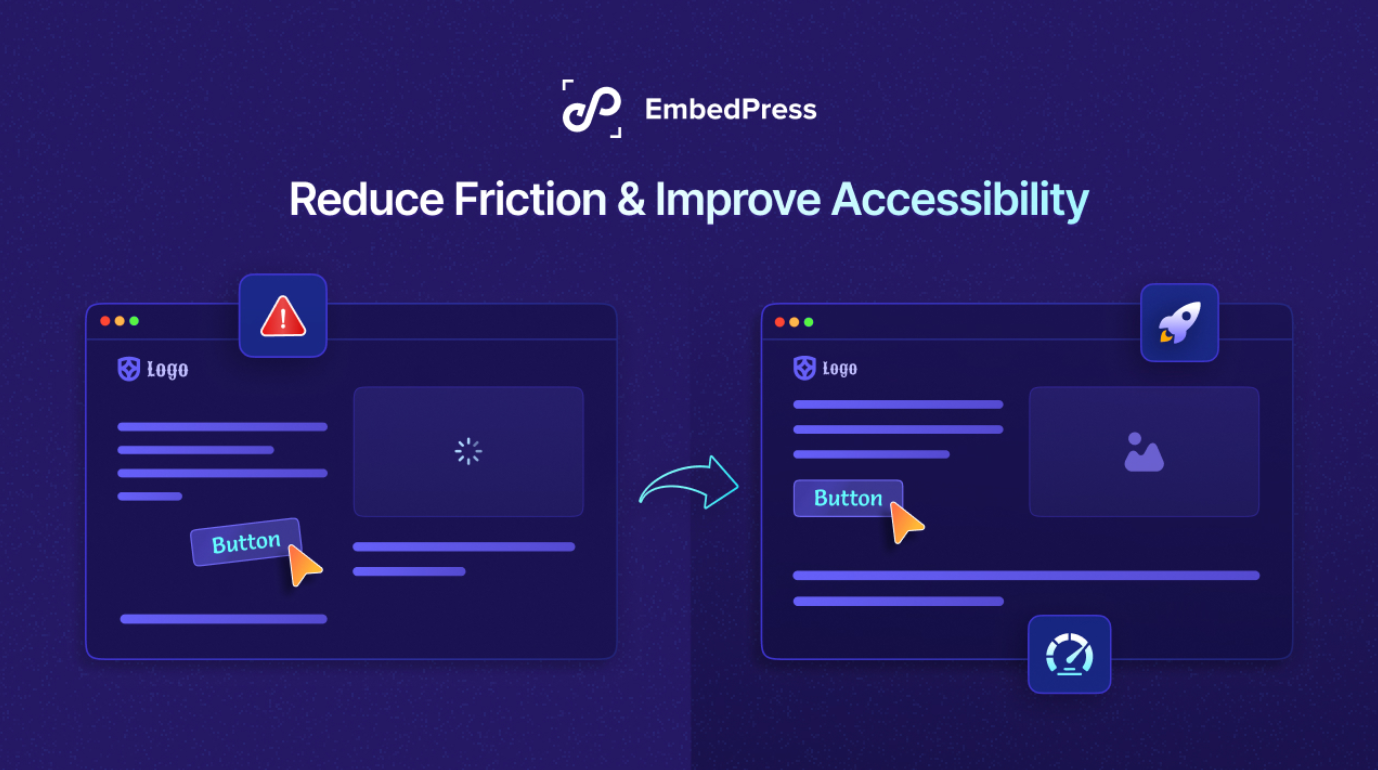
A huge part of conversion rate optimization is keeping the user in a smooth flow. If your setup has frictions in multiple layers, uses a clunky, multi-page redirect, you are hurting your conversion rate optimization. You must keep the buyer focused on the joy of buying, not the steps to pay.
4. Data Leaks And Rules
Storing raw credit card numbers on your own server is a fast way to ruin your business. PCI-DSS security rules are strict for a reason. If your WordPress site gets hacked and card numbers leak, the fines will destroy your brand. Smart handling of payment security concerns means your server should never touch raw card data.
Is Your Checkout Secure? (The Quick Checklist)
Knowing the threats is only half the battle. Before you spend another dollar on ads, audit your checkout against this checklist to ensure you are not leaking revenue:
- Are you using tokenization? Your server must never store raw credit card data.
- Do you have invisible bot protection? Stop card testing without forcing human buyers to solve annoying CAPTCHA.
- Is your billing descriptor clear? Make sure your exact brand name appears on customer bank statements to prevent confusion.
- Are your product descriptions accurate? Prevent the expectation mismatches that lead directly to friendly fraud.
- Do you send instant, detailed confirmation emails? Kill post-purchase anxiety immediately with a clear paper trail.
- Do you display localized currencies? Stop international statement shock and conversion fees from ruining the sale.
- Are you keeping users on-page? Avoid clunky third-party redirects that spike anxiety.
The Mindset of the Checkout Screen
To really reduce checkout abandonment, we have to look at consumer psychology. When a shopper reaches the payment step, their anxiety spikes. They worry about losing money, risking their privacy and wasting time.
If your checkout page looks old, lacks trust badges, or acts weird, alarms go off in the shopper’s head. The AIDA marketing framework – Attention, Interest, Desire, Action – fails if the Action phase feels unsafe.
Most businesses think AIDA stops at the landing page, but here is exactly how your checkout must map to each stage:
- Attention: The user is immediately drawn to a clean, distraction-free checkout form.
- Interest: They see localized pricing and an order summary that perfectly matches their expectations.
- Desire: Visible security badges, familiar payment logos and instant load times reassure them, pushing their desire to own the product past their fear of financial risk.
- Action: A single, frictionless click completes the payment without any confusing redirects.
Seeing familiar brands cures this anxiety fast. When a customer sees the logos for Stripe, PayPal or Paystack, they see a promise of safety. These global tools have spent billions to build trust. With a direct payment gateway integration, you borrow that trust for your own site.
When your checkout design makes people feel safe, it fixes customer payment security concerns. This will heavily reduce checkout abandonment. Safe customers buy faster, complain less and add much more to your customer lifetime value.
The Trade-off Myth: Balancing Payment Security Concerns And Conversions
For years, people believed a lie. They thought you could either fix payment security concerns with a slow, locked-down checkout or have a fast checkout with bad protection.
To stay safe and solve payment security concerns, store owners installed heavy platforms. They piled on security plugins, big cart systems and strict firewalls. This protected the data but made the site terribly slow. This ruined conversion rate optimization.
On the other hand, some owners chose speed. They used light but weak forms that left them open to card bots and big fines.
You do not have to choose anymore. Today, the most profitable businesses use tools that offer top-tier security without the user ever noticing.
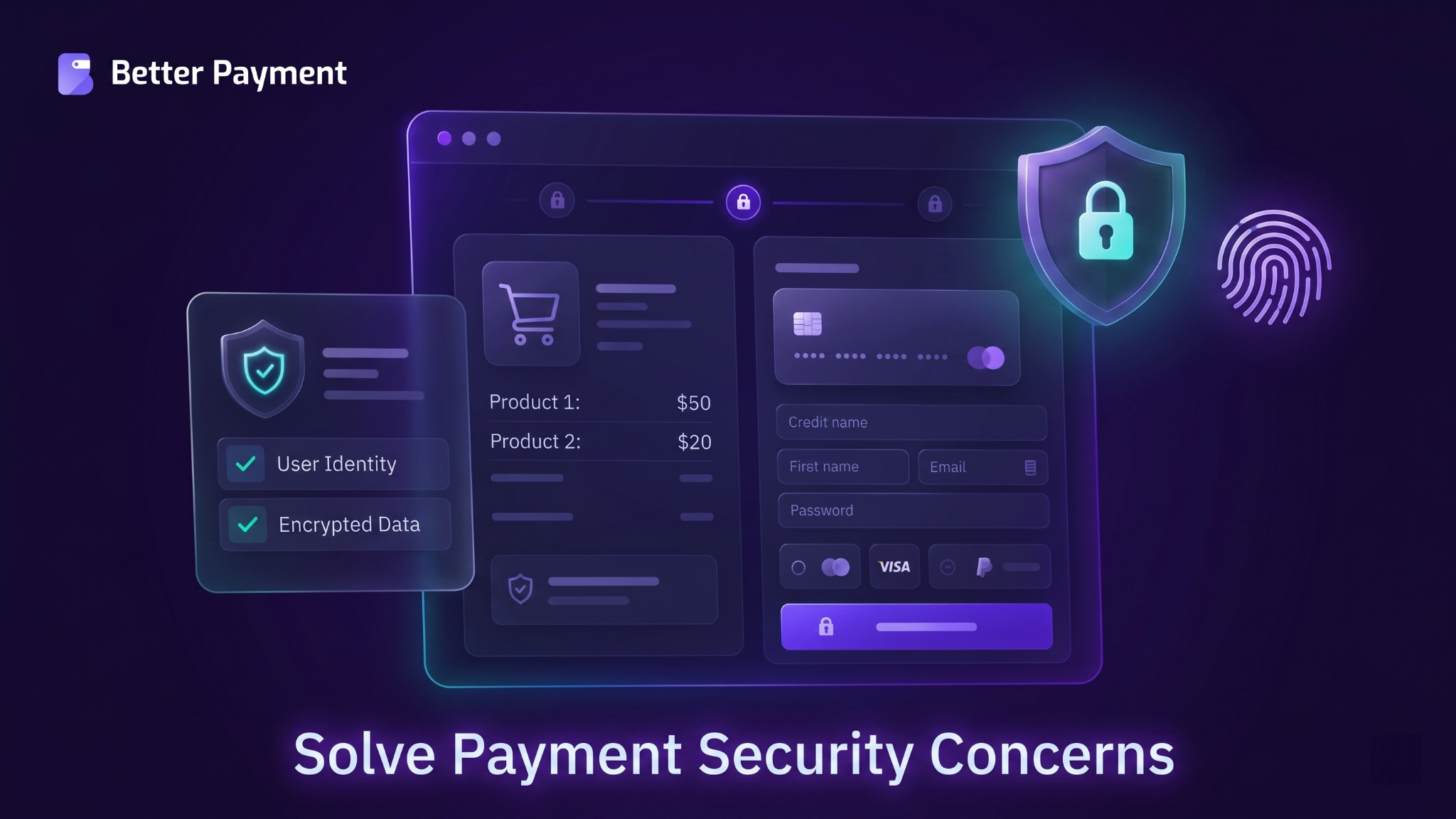
The secret is tokenization and a seamless payment gateway integration. Tokenization means that when a customer types their card number, the data is encrypted and sent straight to the processor. Your WordPress site never sees the real numbers. It only gets a safe token. This lifts the compliance burden off your shoulders and keeps your site lightning-fast.
How Better Payment Solves Payment Security Concerns
Knowing about trust and risk is good, but taking action drives revenue. You need a tool built to handle these challenges without slowing down your site or confusing buyers.
For WordPress & eCommerce users who use payment solutions or are looking for a payment plugin, Better Payment is the payment solution that simplifies payment in WordPress for both Elementor and Gutenberg. It does not require any extra eCommerce setup, offers easy layouts/forms, offers multi-currencies, split payments and more.
Better Payment was built to remove the friction that kills sales. At the same time, it secures your site against modern threats. Here is how it solves your core payment security concerns:
1. Top-Level Fraud Prevention Without the Bloat
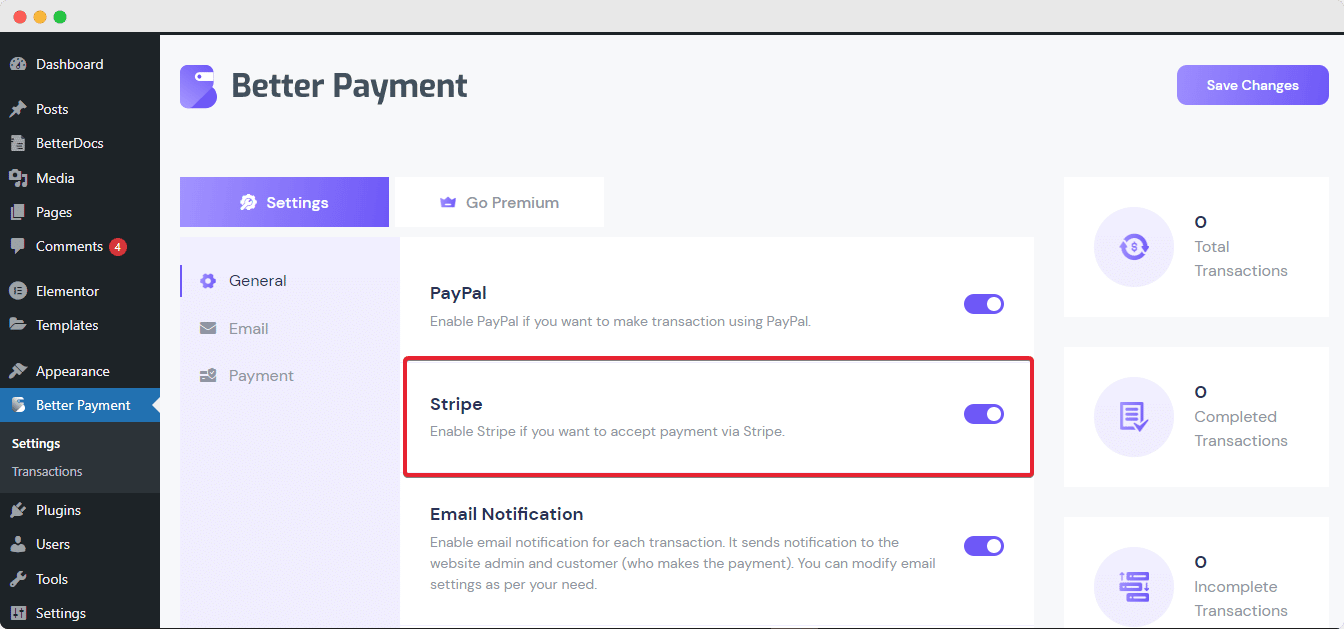
Better Payment uses direct payment gateway integration with leaders like Stripe and PayPal. This gives you access to their billion-dollar fraud prevention tech. You get advanced bot protection running quietly in the background. Real customers get an easy checkout, while bad bots get blocked.
2. Safe, Token-Based Setup
With Better Payment, your server never saves sensitive card data. The plugin uses secure fields to grab the info, keeping you safe from PCI compliance issues. This is the best way to handle payment security concerns. Even if your WordPress site gets hacked, your customers’ card data stays perfectly safe.
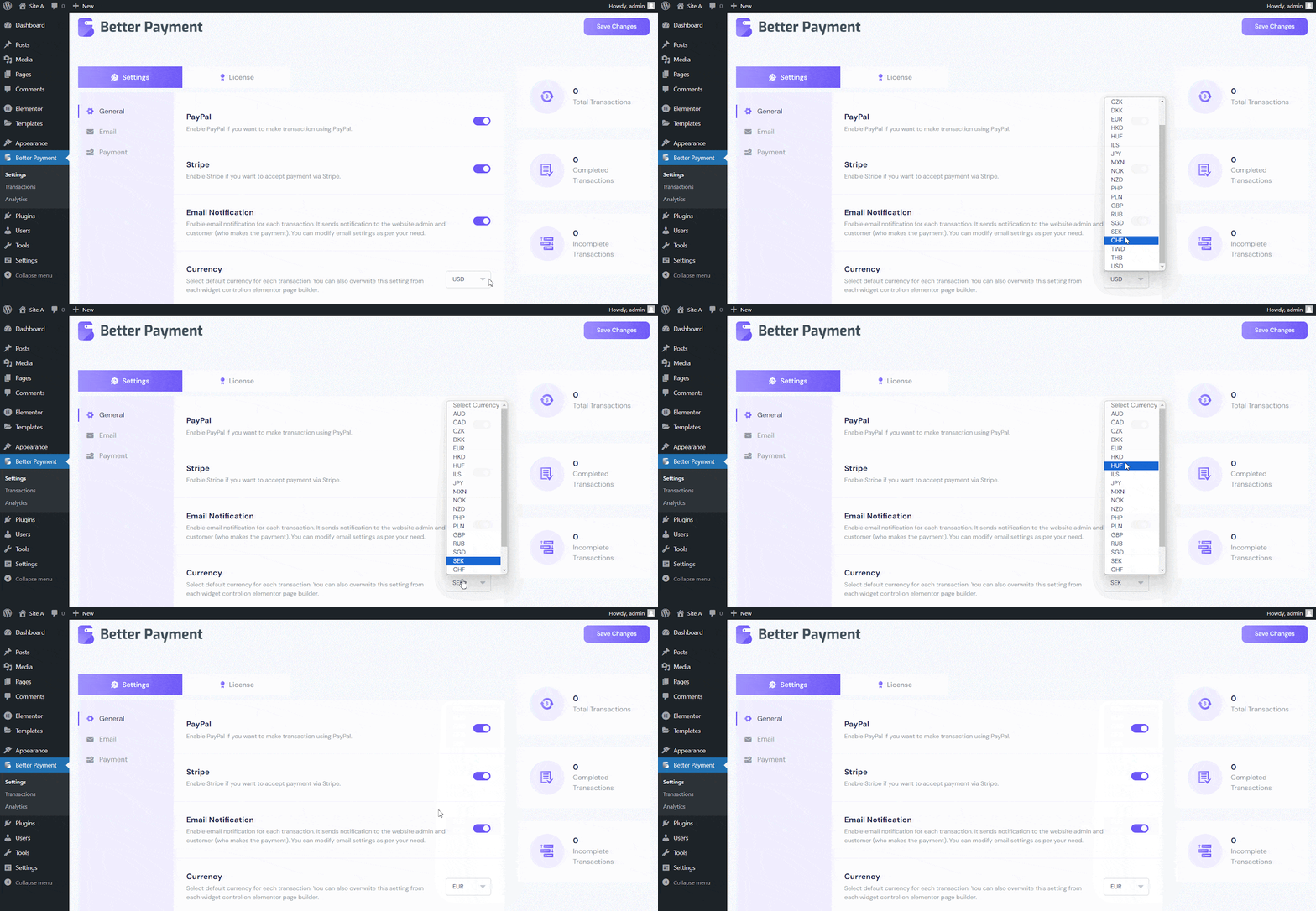
3. Multi-Currency Features to Stop Friendly Fraud
Confusion on the bank statement is the top cause of friendly fraud. Better Payment offers great multi-currency support. It lets global buyers see exactly what they will pay in their own currency. By removing the guesswork, you cut down on chargebacks and protect your customer lifetime value.
4. Smooth Checkout for More Sales
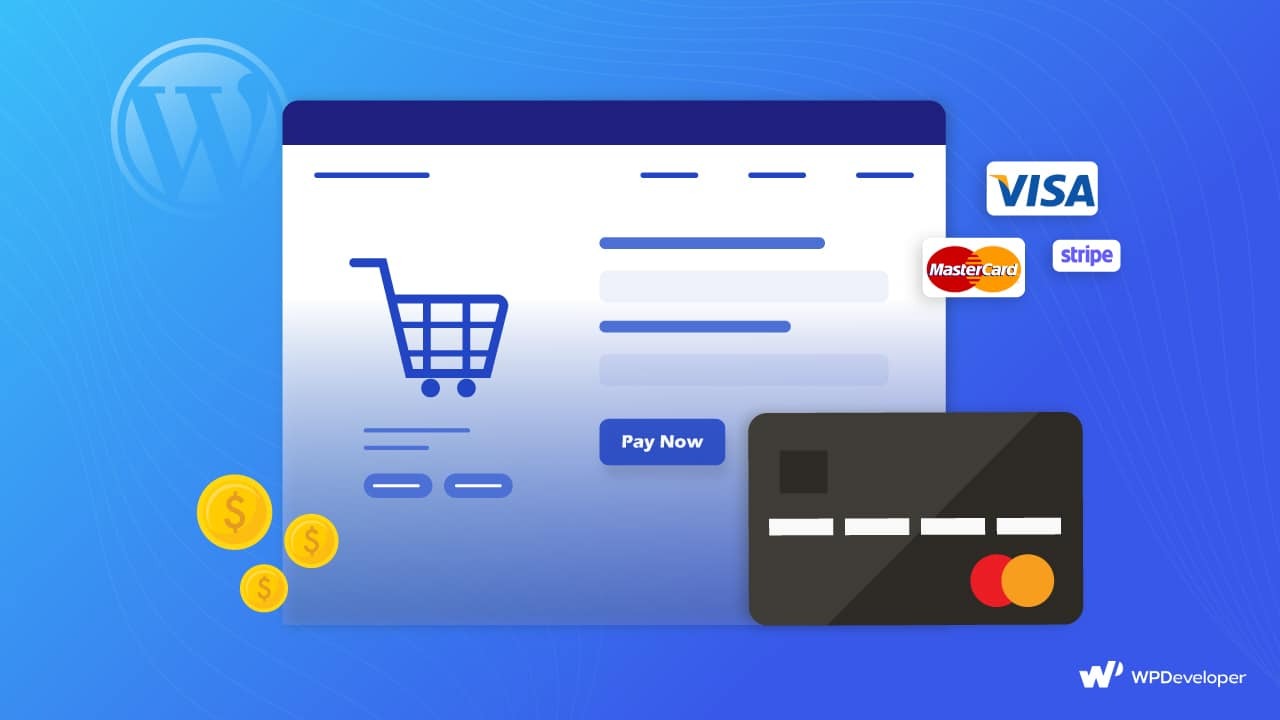
You do not need a huge eCommerce store just to sell a digital file or an hour of coaching. Old setups force users through a cart page, a billing page and a review page. Every extra step gives them a chance to leave.
Better Payment lets you drop clean payment forms straight into your Gutenberg and Elementor layouts. There are no bad redirects. The customer stays on your page, fills out one form and pays in seconds. This simple approach is the best tool for conversion rate optimization.
Addressing Payment Security Concerns Is a Revenue Strategy
Stop viewing checkout protection as just an IT chore. When done right, fixing payment security concerns is a powerful way to grow your profits. By blending security with speed, you build trust. That trust turns one-time buyers into loyal fans, growing your lifetime value.
Do not let heavy plugins slow your site down. And do not let poor security put your money at risk. Upgrade your payment setup today. Protect your sales, simplify your checkout and watch your conversions climb.
If you have found this blog helpful, share your opinion with our Facebook community. You can subscribe to our blogs for valuable tutorials, guides, knowledge, tips and the latest WordPress updates.