Did you know that recurring donations account for nearly 31% of all online contributions to nonprofits, yet only a fraction of organizations actively promote monthly giving programs? This means countless nonprofits are missing out on a stable, predictable source of funding that could transform the way they operate.
Recurring donations are not just about money; they are about creating a sustainable support system that empowers your nonprofit to plan confidently and focus on mission-driven work. In this blog, we will explore how recurring donations work, why they are essential for nonprofit sustainability and actionable strategies to encourage supporters to give regularly.
By the end, you will have a roadmap to turn casual donors into loyal contributors who help your organization thrive year after year.
TL;DR:
Recurring donations are a game-changer for nonprofits, providing predictable funding, higher donor lifetime value and stronger supporter relationships. By offering flexible donation options, telling impact-driven stories, using transparent updates and optimizing donation forms, nonprofits can convert one-time donors into loyal monthly contributors. Tools like GiveWP, Donorbox and Charitable make managing recurring donations easy. Start building sustainable funding today to maximize your nonprofit’s impact!
What Are Recurring Donations?
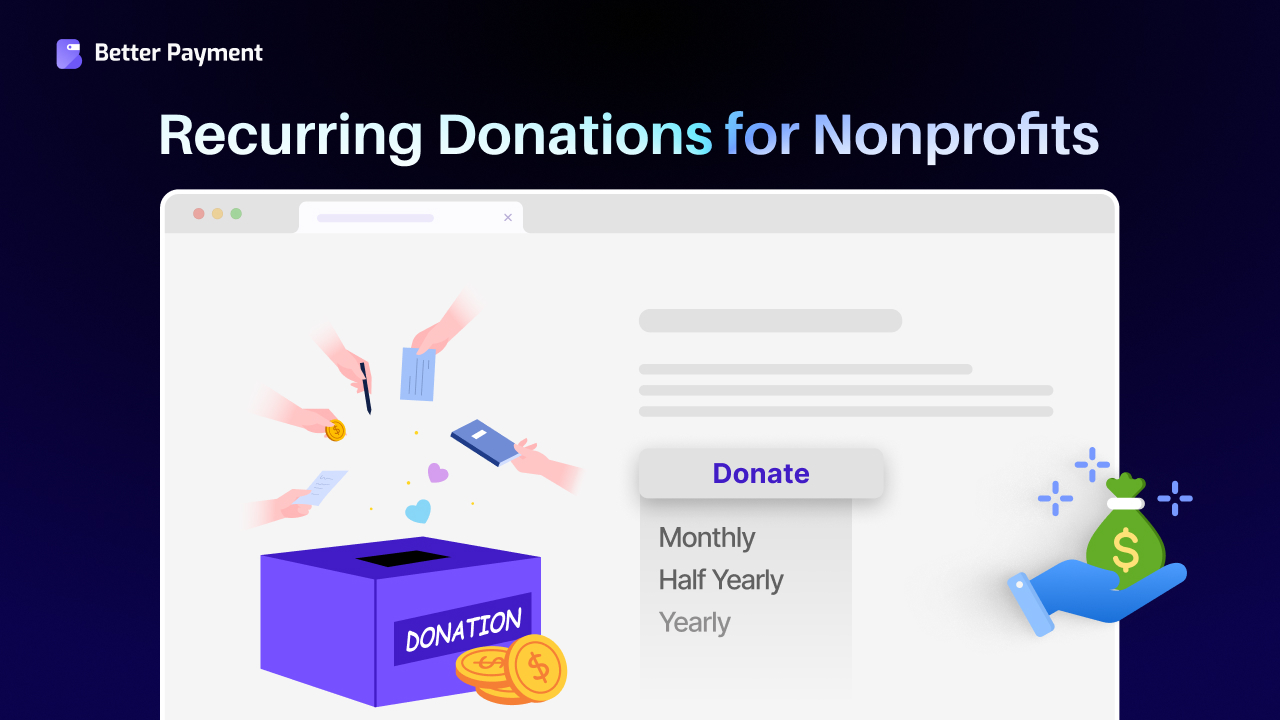
Recurring donations are automatic, scheduled contributions that donors give to a nonprofit organization regularly. Instead of making a one-time contribution, supporters choose to donate a fixed amount at consistent intervals, typically monthly, quarterly or annually.
This model has become increasingly popular in digital fundraising because it helps nonprofits create predictable and sustainable funding streams. With recurring donations, organizations can plan programs, manage operational costs and expand their impact without relying solely on sporadic fundraising campaigns.
For donors, recurring donations offer a convenient way to support a cause continuously without needing to manually donate each time. Once the payment method is set up, the system automatically processes the donation at the selected interval, making long-term giving effortless. As a result, many nonprofits now prioritize recurring donations as part of their donor retention and community-building strategy.
Difference Between One-Time and Recurring Donations
Understanding the difference between one-time donations and recurring donations helps nonprofits design more effective fundraising strategies.
One-time donations are single contributions made by donors whenever they choose; often during fundraising campaigns, emergencies or special events. While these donations are valuable, they can be unpredictable and depend heavily on periodic outreach efforts.
Recurring donations, on the other hand, involve donors committing to give a specific amount regularly. These automated contributions create a steady flow of support that nonprofits can rely on over time. Some key differences include:
- Consistency: Recurring donations provide stable income, while one-time donations vary over time.
- Donor engagement: Recurring donors tend to stay connected with the organization for longer periods.
- Fundraising efficiency: Nonprofits spend less time repeatedly asking for donations when supporters contribute regularly.
Because of these benefits, many organizations encourage supporters to upgrade their one-time gifts into recurring donations. The table below summarizes the key differences:
| Aspect | One-Time Donations | Recurring Donations |
|---|---|---|
| Definition | A single contribution made by a donor at a specific time. | A scheduled donation that automatically repeats at regular intervals (monthly, quarterly or yearly). |
| Payment Process | Donor manually completes each donation separately. | Donations are automatically processed through a saved payment method. |
| Funding Stability | Less predictable because donations depend on campaigns or events. | More stable and predictable funding for nonprofits. |
| Donor Commitment | Short-term support for a specific cause or campaign. | Long-term commitment that supports ongoing programs. |
| Fundraising Effort | Requires frequent outreach and campaigns to maintain donations. | Reduces repeated fundraising efforts once donors enroll. |
| Donor Retention | Donors may give occasionally and not return regularly. | Higher retention as donors stay engaged with the organization. |
| Financial Planning | Harder for nonprofits to forecast future income. | Allows organizations to plan budgets and programs more confidently. |
Examples of Successful Recurring Donation Programs
Many well-known nonprofits have built powerful fundraising models around recurring donations, often referred to as monthly giving programs. For example, some organizations create membership-style programs where donors contribute a small amount each month to support ongoing initiatives. These donors often receive exclusive updates, behind-the-scenes stories or impact reports showing how their contributions are making a difference.
A few common examples include:
- Monthly sponsor programs: Donors contribute regularly to support education, healthcare or community development initiatives.
- Impact-based giving tiers: Nonprofits suggest donation levels such as $10/month to provide meals or $25/month to fund educational resources.
- Community supporter programs: Supporters join a dedicated group of recurring donors who help sustain the organization’s mission year-round.
These programs show that small but consistent contributions can collectively create a significant impact. By encouraging recurring donations, nonprofits can build a loyal donor base while maintaining stable funding for their long-term goals.
Why Are Recurring Donations Essential for Nonprofit Sustainability?
For many nonprofits, maintaining consistent funding is one of the biggest challenges. Traditional fundraising methods, such as one-time campaigns, events or seasonal appeals, often bring short-term results but do not guarantee steady financial support throughout the year.
This is why many organizations are increasingly focusing on recurring donations. By encouraging supporters to give regularly, nonprofits can create a reliable and sustainable funding model that supports long-term projects, operational stability and community impact. Recurring donations also strengthen donor engagement by turning occasional contributors into committed supporters who are invested in the organization’s mission.
Below are some key reasons why recurring donations have become a vital strategy for nonprofit sustainability.
Predictable And Stable Funding
One of the most significant advantages of recurring donations is the predictability they provide. When donors commit to giving monthly or annually, nonprofits can estimate their incoming funds more accurately.
This financial stability allows organizations to plan programs, allocate resources and expand initiatives without constantly worrying about funding gaps. Instead of relying solely on occasional fundraising drives, nonprofits can maintain a steady income stream that supports ongoing operations and long-term projects.
Higher Donor Lifetime Value
Recurring donors often contribute more over time compared to one-time donors. Even small monthly contributions can add up to a substantial amount over the course of a year or several years.
For example, a supporter who donates $10 per month contributes $120 annually. When multiplied across hundreds or thousands of donors, recurring donations significantly increase the overall donor lifetime value, making them a powerful source of sustainable funding for nonprofits.
Stronger Donor Relationships
Recurring donations help nonprofits build long-term relationships with their supporters. When donors commit to regular contributions, they are more likely to stay engaged with the organization’s mission and impact.
This ongoing relationship also creates more opportunities for nonprofits to share updates, success stories and program outcomes. Over time, recurring donors often become loyal advocates, volunteers or ambassadors who actively promote the organization’s work within their networks.
Reduced Fundraising Costs
Fundraising campaigns, marketing efforts and outreach activities can be costly and time-consuming. Acquiring new donors often requires significant investment in advertising, events and communication strategies.
Recurring donations help reduce these costs because organizations spend less time repeatedly asking for donations. Once donors enroll in a recurring program, the contribution process becomes automated, allowing nonprofits to focus more on mission-driven work rather than constant fundraising efforts.
As a result, recurring donations not only provide financial stability but also improve the overall efficiency and sustainability of nonprofit fundraising strategies.
Key Features Every Recurring Donation System Should Have
Setting up recurring donations is not just about adding a payment button to your nonprofit website. To create a smooth experience for both donors and administrators, organizations need a reliable donation system with the right features.
A well-designed recurring donation platform should make it easy for supporters to contribute regularly while giving nonprofits the tools they need to manage donor relationships, track contributions and maintain transparency. Choosing a system with the following features can help ensure your recurring donation program runs efficiently and encourages long-term donor participation.
Flexible Donation Frequency Options
Not every donor prefers the same giving schedule. Some supporters may want to donate monthly, while others may prefer quarterly or yearly contributions.
A strong recurring donation system should offer flexible frequency options so donors can choose what works best for them. Providing multiple options increases the likelihood that supporters will commit to recurring donations because they can align their contributions with their personal budgets and preferences.
Many nonprofits also include suggested donation tiers, such as $10 per month or $25 per month, to help donors quickly select an amount that feels manageable while still making a meaningful impact.
💡 If you want to set up recurring subscriptions on your own terms following the flexibility of our subscribers, then you should follow this guide: How to manage subscriptions efficiently.
Secure and Multiple Payment Methods
Security is a top priority when handling online donations. Donors need to feel confident that their payment information is protected. An effective recurring donation system should support secure payment processing with trusted gateways and industry-standard encryption.
In addition, offering multiple payment options, such as credit cards, debit cards and digital payment services. This makes it easier for supporters from different regions to contribute. The more convenient and secure the payment experience is, the more likely donors are to sign up for recurring donations.
Automated Receipts and Donor Communication
Automation plays a crucial role in managing recurring donations. Each time a donation is processed, the system should automatically send confirmation emails and donation receipts to donors.
These automated communications not only provide transparency but also help build trust. They can also include personalized messages, updates about how donations are being used or links to impact reports. Consistent communication keeps donors informed and reinforces the value of their continued support.
Donor Self-Management Dashboard
Giving donors control over their contributions can significantly improve their experience. A good recurring donation system should include a donor self-management dashboard where supporters can manage their accounts.
Through this dashboard, donors should be able to update payment information, change donation amounts, switch donation frequency or pause or cancel their recurring contributions. Providing this level of control increases convenience and helps reduce administrative workload for nonprofit teams.
Data Tracking and Reporting Tools
To grow a successful recurring donation program, nonprofits need access to meaningful insights about donor activity. A robust system should include data tracking and reporting tools that provide visibility into donation trends.
These tools help organizations monitor metrics such as recurring donor growth, retention rates, total contributions and campaign performance. By analyzing this data, nonprofits can make informed decisions, optimize fundraising strategies and strengthen their overall donor engagement efforts.
Together, these features ensure that a recurring donation system is not only functional but also capable of supporting long-term nonprofit growth and sustainable funding.
How to Set up Recurring Donations on Your Nonprofit Website?
Setting up recurring donations on your nonprofit website is a crucial step toward creating sustainable and predictable funding. Fortunately, there are two main ways to do this, depending on your resources and technical comfort level:
- Use SaaS Donation Platforms: Many nonprofits choose cloud-based donation platforms (Software-as-a-Service) to manage recurring donations. These platforms handle payment processing, donor management and automated communications, reducing the administrative burden. Supporters can create profiles, select donation frequency and manage their payment methods—all through a secure interface. Popular SaaS options often include analytics, reporting and integrations with email marketing tools, making it easy to track donor engagement and optimize campaigns.
- Set Up Recurring Donations on WordPress: If your nonprofit uses WordPress, you can manage donations directly on your website. With the right plugins, you can create recurring donation forms, customize suggested donation amounts, automate receipts and allow donors to manage their own profiles. This approach gives you more control over branding, data and donor interactions, while also eliminating subscription fees charged by third-party platforms.
Tools And Platforms That Help Manage Recurring Donations
To make recurring donations work seamlessly, you will need reliable tools. Here is a combination of WordPress plugins and SaaS platforms that nonprofits commonly use to set up and manage recurring donations:
- GiveWP: One of the most popular donation plugins for WordPress, GiveWP supports recurring donations, donor management and multiple payment gateways.
- Charitable: Offers flexible donation forms and recurring donation options without monthly fees. Great for nonprofits that want to maintain control of their site.
- Donorbox: A simple SaaS platform that easily integrates with WordPress. Supports recurring donations, multiple currencies and donor management dashboards.
- WP Simple Pay: Ideal for nonprofits using Stripe. Allows recurring donations without creating a full ecommerce system.
- Patreon: For nonprofits creating ongoing programs or content, Patreon provides recurring support options with community engagement features.
- PayPal Subscriptions: Enables nonprofits to accept recurring donations via PayPal. Easy setup and trusted by many donors worldwide.
Here is the in-depth guide to choose the right payment system for your nonprofit organization.
Best Practices to Increase Recurring Donations
To grow a successful recurring donation program, nonprofits need more than just a “subscribe” button on their donation forms. Effective strategies combine donor psychology, communication, transparency and convenience. Today’s top organizations are using data‑driven methods to boost monthly giving programs and strengthen donor commitment.
For context, monthly giving now accounts for a significant portion of online fundraising, with recurring gifts making up around 31% of online donations, while revenue from one‑time online donations decreased. Only about 14% of nonprofits actively prompt donors to make their donation recurring, yet those who do often see much higher growth and retention rates.
Below are five practical strategies proven to increase recurring donations, backed by recent research and nonprofit best practices.
Create a Dedicated Monthly Giving Program
A structured monthly giving program lets donors feel part of a sustained mission rather than just making a single contribution. Branding your program with a memorable name, clear impact messaging and dedicated donor benefits can make it more attractive and easier to promote across campaigns, emails and social channels.
Statistics show that recurring donations have grown significantly in recent years: recurring donor bases increased by over 127% on average from 2018 to 2022 and many organizations saw recurring giving income rise year over year.
To build this program effectively:
- Segment your donors by giving level or interests
- Clearly articulate how monthly gifts support long‑term goals
- Create specific campaigns to recruit new monthly donors
Tell Impact‑Driven Stories
Donors want to know their monthly gift creates real change. Stories that highlight specific outcomes from recurring support are incredibly effective at motivating sustained giving. Impact narratives put a human face on your mission, making it easier for supporters to connect emotionally and remain committed.
Research shows that 69% of donors cite impact stories as the top factor in retention, which directly links meaningful storytelling to donor loyalty.
Best practices include:
- Featuring individual stories in newsletters or social posts
- Sharing updates on projects funded by monthly donors
- Using short videos, photos or infographics to illustrate impact
Use Transparent Donation Progress Updates
Transparency builds trust, which is especially important for recurring donors who are making a long‑term financial commitment.
Nonprofits that share regular and transparent progress updates, showing how monthly donations contribute to goals and outcomes, tend to enjoy stronger donor engagement and retention. When donors can see how funds are being used and how far their contributions go, they are more likely to stay committed over time.
Here are some tested and proven examples:
- Progress bars showing funds raised toward annual goals
- Quarterly reports breaking down how recurring gifts impact programs
- Donor dashboards with personalized giving summaries
Offer Donor Recognition and Benefits
Acknowledging donors is not just polite; it is strategic. Donor recognition makes recurring supporters feel appreciated and part of an exclusive community. According to donor engagement data, donors who receive personalized communication (like thank‑you messages) are far more likely to renew their support.
When donors feel their contributions are acknowledged and celebrated, they are more likely to maintain their support and even increase it. You should consider incorporating the following:
- Tiered recognition levels for recurring donors
- Exclusive updates or newsletters
- Invitations to special events or webinars
Optimize Donation Forms for Mobile Users
A seamless donation experience is essential. With many supporters accessing nonprofit websites via smartphones, ensuring that your donation forms are mobile‑friendly is no longer optional.
Mobile optimization not only improves user experience but also reduces drop‑offs during the donation process, a critical factor for recurring gifts. Simplifying forms, reducing required fields and enabling payment methods like digital wallets can significantly improve conversion rates.
Here are some best practices listed in one place for you:
- Design forms responsive to all screen sizes
- Use clear calls to action for recurring support
- Minimize login requirements and technical friction
Bonus: How to Encourage One-Time Donors to Become Recurring Donors
Many nonprofits rely on one-time donors to drive immediate fundraising goals, but turning one-time contributors into recurring supporters is key to building sustainable funding. By making the process easy, showing tangible impact and keeping donors engaged, organizations can increase monthly giving and strengthen donor loyalty.
Here are some practical strategies to encourage one-time donors to commit to recurring donations:
Add a “Make This a Monthly Donation” Option
One of the simplest yet most effective ways to convert one-time donors is to offer a clear option at the point of donation. Even small changes like this can significantly increase recurring donor sign-ups because it reduces friction and make the choice obvious.
Adding a checkbox or toggle that says “Make this a monthly donation” on your donation forms allows supporters to upgrade their one-time gift without extra steps. Highlight the convenience and benefits of recurring donations, such as the ability to spread out their giving and make a lasting impact over time.
Use Email Campaigns to Invite Monthly Support
Email remains one of the most effective channels for donor engagement. After a supporter makes a one-time donation, follow up with a personalized email inviting them to join your monthly giving program.
Tips for effective email campaigns:
- Send a thank-you email immediately after the one-time donation.
- Highlight the benefits of recurring donations in a friendly, impact-focused tone.
- Include a direct link to the recurring donation form for easy sign-up.
Show the Long-Term Impact of Small Monthly Gifts
Donors are more likely to commit to recurring donations when they see how even small contributions add up over time. Using clear, tangible outcomes helps donors visualize their impact and makes recurring giving feel meaningful rather than just a transaction.
For example, instead of just asking for $10 per month, explain that:
- $10 per month can provide 120 meals per year to children in need
- $25 per month can fund school supplies for multiple students annually
Provide Exclusive Updates for Recurring Donors
Exclusive communication reinforces a sense of community and value for recurring donors. When donors feel informed and recognized, they are more likely to stay committed to their recurring contributions and even upgrade their monthly gifts over time. Offer monthly or quarterly updates specifically for recurring supporters, such as:
- Behind-the-scenes stories from your programs
- Progress reports showing how donations are being used
- Early access to events, webinars or volunteer opportunities
Start Building Sustainable Funding with Recurring Donations
Recurring donations are more than just a convenient way for supporters to give; they are a powerful engine for nonprofit growth. By building a system that allows donors to contribute regularly, your organization can enjoy predictable funding, stronger relationships and higher donor lifetime value.
Whether you choose a SaaS platform or WordPress plugins to manage your recurring donations, the key is to combine flexible giving options, transparent communication and meaningful engagement. Small monthly contributions can collectively make a significant, lasting impact, helping your nonprofit achieve its mission with confidence.
Ready to take your fundraising to the next level? Subscribe to our blog for more nonprofit growth strategies and join our Facebook community to connect with like-minded nonprofit professionals and share insights on building sustainable funding.